The Science of Skin Aging: How Time Leaves Its Mark on Our Skin
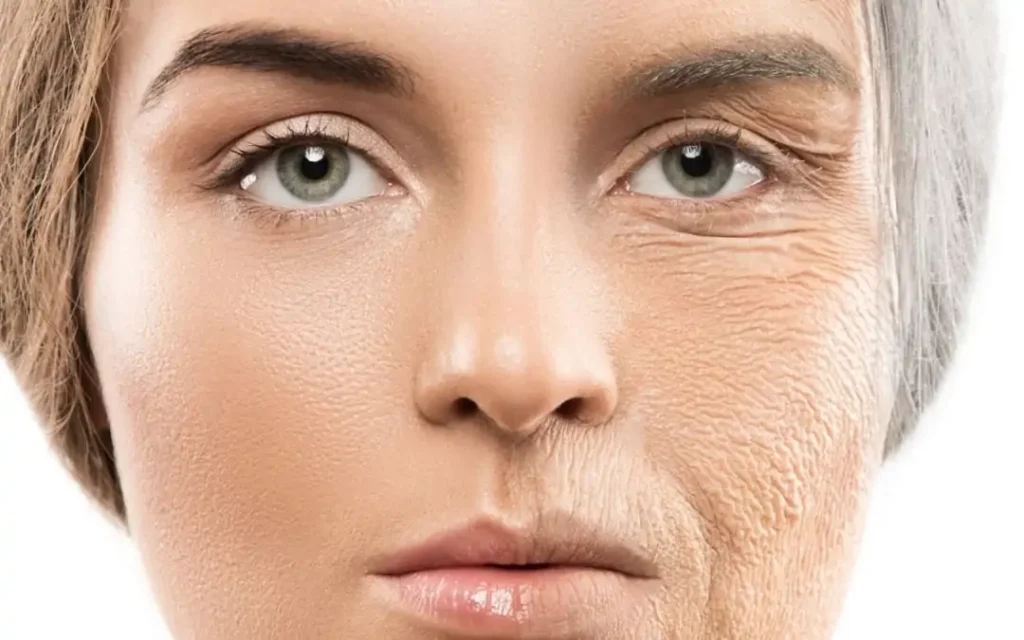
Aging is a natural journey that affects every part of who we are—our bodies, our minds, and most visibly, our skin. As the body’s largest organ, the skin becomes a living record of time’s passage. Fine lines, wrinkles, loss of firmness, and age spots gradually appear, telling a story not only of years lived but of biological changes unfolding beneath the surface. But what truly causes these changes, and why does aging shape our skin so distinctly? Understanding the science of skin aging allows us to see beyond appearances and appreciate how deeply connected skin health is to overall well-being and self-perception—especially in a culture that often equates youth with beauty. Skin Aging Is More Than Just Time Not all skin aging is purely chronological. In fact, it is driven by a combination of intrinsic and extrinsic factors. Together, these forces shape how our skin evolves over time. Meeting Aging with Intelligent Skin Science To address the many expressions of aging, modern aesthetic medicine relies on a carefully curated range of advanced skin allies—each designed to restore, replenish, and renew from within. When the skin craves hydration and softness, Hyaluronic Acid delivers lightweight moisture and subtle volume, refreshing the skin with results that typically last 6–12 months.When greater strength and support are needed, Calcium Hydroxyapatite provides structure and firmness, acting like an internal framework for the skin.For longer-lasting contour and volume, PMMA microspheres create a stable architectural support beneath the skin, with effects that can last up to 18 months. And then there is Polylactic Acid (PLA)—a unique solution that does more than fill. It gently activates the skin’s natural regenerative memory, encouraging collagen to rebuild itself over time. The transformation is gradual and refined, yet long-lasting, with results that may endure for 2–3 years. Collagen: The Foundation of Youthful Skin At the heart of every meaningful skin transformation lies collagen. This vital structural protein gives skin its firmness, elasticity, and smooth texture. However, collagen production begins to decline as early as the late 20s and accelerates significantly by the 40s. As collagen levels drop, the skin loses its internal support system, leading to sagging, wrinkles, and fine lines. This loss of structure is one of the most defining features of skin aging. Where Science Meets Subtle Regeneration While some aesthetic treatments focus on instant volume or visible lifting, the new generation of regenerative aesthetics works on a deeper, more natural rhythm. Instead of replacing what time has taken away, these innovations encourage the skin to remember how to restore itself. Polylactic Acid plays a key role in this quiet evolution by gradually stimulating collagen synthesis in a controlled and harmonious way. Among the latest advancements in this field is Neotiva PLA B12—a newly designed aesthetic solution that combines proven performance with exceptional biocompatibility. With minimal swelling compared to traditional alternatives, it represents a refined approach to collagen stimulation that respects both skin biology and the passage of time. Aging Forward with Intention In a world that often tries to reverse aging at all costs, Neotiva PLA B12 offers a different perspective—one that embraces aging thoughtfully and confidently. It invites us to move forward, not backward, supporting skin that reflects care, vitality, and balance. True beauty is not about stopping time, but about understanding it—and allowing science to work in harmony with the skin’s natural intelligence.
Benefits and Uses of PLLA in Aesthetic Medicine
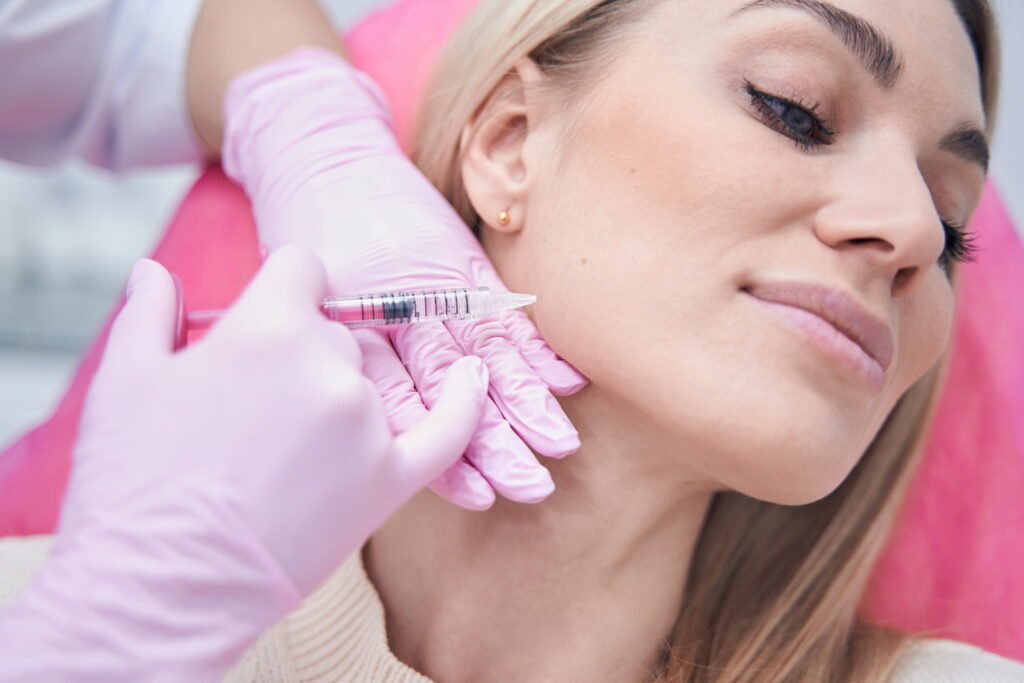
As aesthetic medicine continues to advance, innovative solutions are reshaping how practitioners address aging and skin rejuvenation. One of the most notable developments is PLLA (Poly-L-Lactic Acid), a biocompatible and biodegradable polymer that has gained widespread recognition for its effectiveness in restoring volume and improving skin quality. With its ability to stimulate the body’s natural processes, PLLA has become a cornerstone in modern aesthetic treatments. What Is PLLA? Poly-L-Lactic Acid (PLLA) is derived from lactic acid, a substance naturally produced by the human body. Due to its safety profile, non-toxicity, and biodegradability, PLLA has long been used in medical applications such as absorbable sutures and implants. Over the past two decades, its use has expanded significantly within aesthetic medicine, particularly for collagen stimulation and long-term skin rejuvenation. Recent advancements have also led to the development of next-generation PLLA-based products, such as POLYFEEL, manufactured using the latest technology. How PLLA Works in Aesthetic Treatments Unlike traditional dermal fillers that provide immediate volume by physically filling the skin, PLLA works gradually by stimulating the body’s own collagen production. Collagen is a vital structural protein responsible for skin firmness, elasticity, and volume. As collagen levels decline with age, wrinkles, sagging, and volume loss become more noticeable. When PLLA is injected into the deeper layers of the skin, its microparticles act as a scaffold that activates fibroblasts, encouraging collagen synthesis over time. As the PLLA is slowly absorbed by the body, newly formed collagen replaces it, resulting in improved volume, firmness, and skin quality. The effects develop progressively and can last up to two years or longer. Uses and Applications of PLLA in Aesthetic Medicine PLLA is widely used for facial rejuvenation and volume restoration, but its applications extend beyond the face into other areas of aesthetic enhancement: Key Benefits of PLLA PLLA offers several advantages that distinguish it from traditional fillers and other rejuvenation treatments: What to Expect from a PLLA Treatment PLLA treatments are relatively quick and straightforward. A trained medical professional injects the product into targeted areas such as the cheeks or nasolabial folds. Each session usually lasts between 30 and 45 minutes. For optimal results, most patients undergo a series of treatments—typically three to four sessions spaced several weeks apart. Following treatment, mild swelling, redness, or bruising may occur but usually resolves within a few days. Because PLLA works gradually, visible improvements begin to appear after a few months, with full results typically evident around six months as collagen production peaks. Potential Side Effects PLLA is generally well tolerated. Common side effects include temporary swelling, redness, tenderness, or bruising at the injection sites. In rare cases, small subcutaneous nodules may develop, but these risks are significantly reduced with proper injection techniques and adherence to post-treatment massage instructions. Conclusion PLLA (Poly-L-Lactic Acid) has become a powerful and versatile tool in aesthetic medicine. By stimulating the body’s natural collagen production, it offers a non-invasive, long-lasting approach to treating facial volume loss, skin aging, and body contour concerns. The gradual, natural-looking results make PLLA an appealing option for patients seeking subtle yet effective rejuvenation. Whether used for facial enhancement, hand rejuvenation, or improving skin laxity in the body, PLLA continues to prove its value in modern aesthetic practice.
Unlocking the Power of Exosomes: A New Era in Skincare

In the ever-evolving world of skincare, innovation continues to reshape how we care for and rejuvenate our skin. Among the most exciting breakthroughs to emerge in recent years are exosomes—microscopic vesicles once dismissed as cellular waste, now recognized as powerful agents of communication and regeneration. As research advances, exosomes are rapidly gaining attention for their potential to transform skincare through cutting-edge cellular science. What Are Exosomes? Exosomes are nanoscale extracellular vesicles released by many cell types, including skin cells. Originally thought to function only as a disposal system for unwanted cellular material, scientists later discovered that exosomes play a far more significant role. They act as messengers, transporting biologically active molecules such as proteins, lipids, RNA, and DNA between cells. Through this exchange, exosomes can influence how recipient cells behave, repair themselves, and regenerate. How Exosomes Support Skin Health In skin biology, exosomes are essential to cellular communication and tissue renewal. They contribute to critical processes such as wound healing, immune response regulation, and maintaining the skin’s overall structure and resilience. Importantly, exosomes are also linked to key factors involved in skin aging, including collagen synthesis, moisture retention, elasticity, and barrier function. By facilitating communication between skin cells, exosomes help coordinate repair mechanisms that keep skin looking healthy, strong, and youthful. The Future of Exosome-Based Skincare The integration of exosomes into skincare represents a major step forward in non-invasive skin rejuvenation. Researchers and aesthetic professionals are actively exploring exosome-based treatments to address common skin concerns such as aging, inflammation, sun damage, and uneven texture. One of the most promising benefits of exosomes is their ability to stimulate collagen production and accelerate tissue repair. By delivering growth factors and signaling molecules directly to skin cells, exosomes support regeneration from within—helping reduce fine lines, wrinkles, and other visible signs of aging. Exosomes may also play a role in regulating melanin production, offering new possibilities for treating hyperpigmentation and uneven skin tone. Their ability to modulate cellular activity could help restore brightness, clarity, and a more even complexion affected by sun exposure or environmental stressors. Conclusion Exosomes are redefining what’s possible in modern skincare. With their unique ability to enhance cellular communication and regeneration, they offer a powerful new approach to skin rejuvenation—one that works at a deeper, biological level. As scientific understanding of exosomes continues to grow, so does their potential to reshape the future of skincare. From boosting collagen to improving tone and texture, exosome-based therapies may soon unlock new pathways to healthy, radiant skin—proving that timeless beauty can be achieved at any age through advanced cellular innovation.
7 Common Myths About Dermal Fillers—Debunked
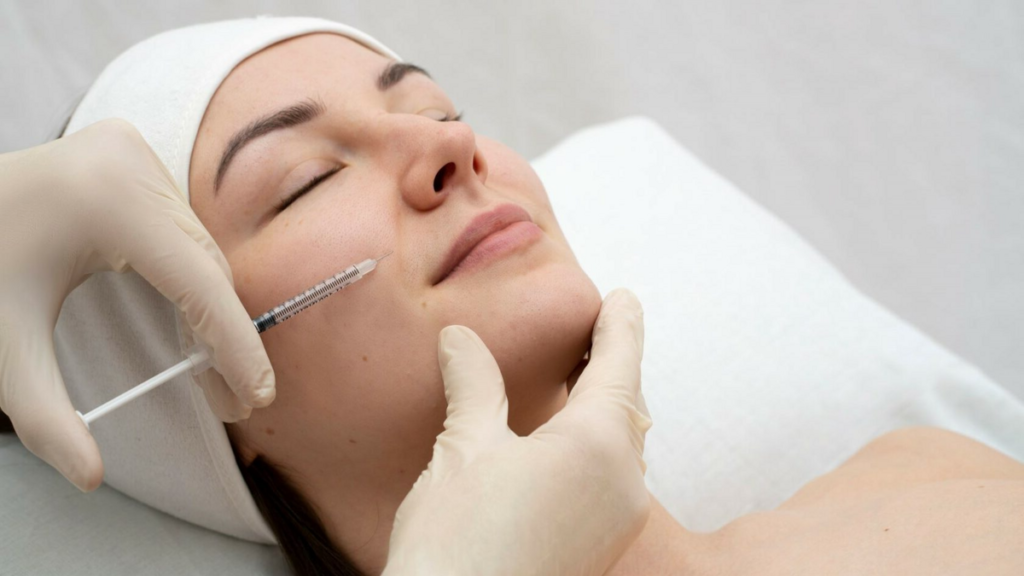
Dermal fillers have surged in popularity as more people look for non-surgical ways to refresh and enhance their appearance. Despite their widespread use, misinformation and misconceptions still surround these treatments, often causing unnecessary concern or hesitation. Below, we clear up some of the most common myths about dermal fillers to help you better understand what they truly offer. Myth 1: Dermal Fillers Are Only for Older Adults A widespread belief is that fillers are reserved solely for those trying to reverse visible signs of aging. In truth, dermal fillers can benefit people of many age groups. Younger individuals often choose fillers for lip enhancement, cheek contouring, or correcting minor asymmetries. When used conservatively, fillers can also help preserve facial volume and support a youthful look over time. Myth 2: Fillers Always Look Fake or Overdone The fear of an unnatural appearance is one of the biggest concerns among first-time patients. This misconception usually comes from seeing extreme or poorly executed results. When performed by an experienced and qualified practitioner, dermal fillers can look subtle and natural, enhancing facial features rather than altering them dramatically. The outcome depends far more on technique than on the fillers themselves. Myth 3: All Dermal Fillers Are the Same Not all fillers are created equal. There are different types of dermal fillers, each designed for specific areas and purposes. For example, hyaluronic acid fillers are commonly used for hydration and soft volume, while calcium-based fillers are thicker and better suited for deeper wrinkles or cheek enhancement. Choosing the right filler is essential for achieving optimal results. Myth 4: Filler Results Are Permanent Although some results may be noticeable immediately, dermal fillers are not permanent solutions. Depending on the product used and individual factors such as metabolism, results typically last between six months and two years. Over time, the body naturally breaks down the filler, making maintenance treatments necessary. It’s also worth noting that initial swelling can temporarily affect how results appear. Myth 5: The Treatment Is Very Painful Many people expect dermal filler injections to be extremely painful, but most are pleasantly surprised. Modern fillers often include lidocaine to reduce discomfort, and practitioners usually apply a numbing cream beforehand. While you may feel slight pressure or a brief pinching sensation, the procedure is generally quick and well tolerated. Myth 6: Only “Natural” Fillers Are Safe Some patients assume that synthetic fillers are unsafe and that only “natural” options should be used. In reality, many lab-developed fillers are both safe and highly effective. Hyaluronic acid, for instance, is naturally found in the body but is often produced synthetically for medical use. What matters most is that the filler is FDA-approved (or equivalent) and administered by a trained professional. Myth 7: Dermal Fillers Can Replace Surgery While fillers are excellent for restoring volume and smoothing fine lines, they cannot substitute surgical procedures in cases of significant sagging or advanced aging. Fillers do not tighten loose skin. For more dramatic or long-lasting results, surgical options like facelifts may be more appropriate. A professional consultation can help determine the best approach for your goals. Conclusion As dermal fillers continue to gain popularity, understanding the facts behind common myths is essential. Being well-informed allows you to make confident decisions about your aesthetic care. By consulting with a qualified and experienced practitioner, you can achieve safe, natural-looking results that enhance your features while preserving your individuality. When used correctly, dermal fillers can be a powerful tool for facial rejuvenation and self-confidence.